How to Make the Most of Your Sauna Session: A Beginner’s Guide

Table of Contents
You’re doing it wrong – that luxury hotel sauna session could be giving you 10x the benefits with these insider tricks from Nordic wellness experts.
As someone who LOVES saunas and wants to make the most of every experience, I’ve gathered the ultimate guide to transform your casual steam session into a life-changing wellness ritual.
Why Saunas Are More Than Just Hot Rooms
Before diving into the techniques, let’s understand what makes saunas so special. Unlike your typical hot yoga class or steam room, traditional saunas create a unique environment of dry heat that penetrates deep into your muscles and triggers a cascade of healing responses in your body.
The Finns have a saying: “The sauna is the poor man’s pharmacy,” – and modern science is finally catching up to what Nordic cultures have known for centuries.

The Science Behind the Sweat
When you step into a sauna, your body initiates a fascinating response similar to a mild fever state. This controlled heat stress activates your immune system, releases endorphins, and improves cardiovascular function.
Regular sauna users report better sleep, reduced muscle tension, improved skin health, and a remarkable ability to handle everyday stress.
Mastering the Perfect Sauna Session
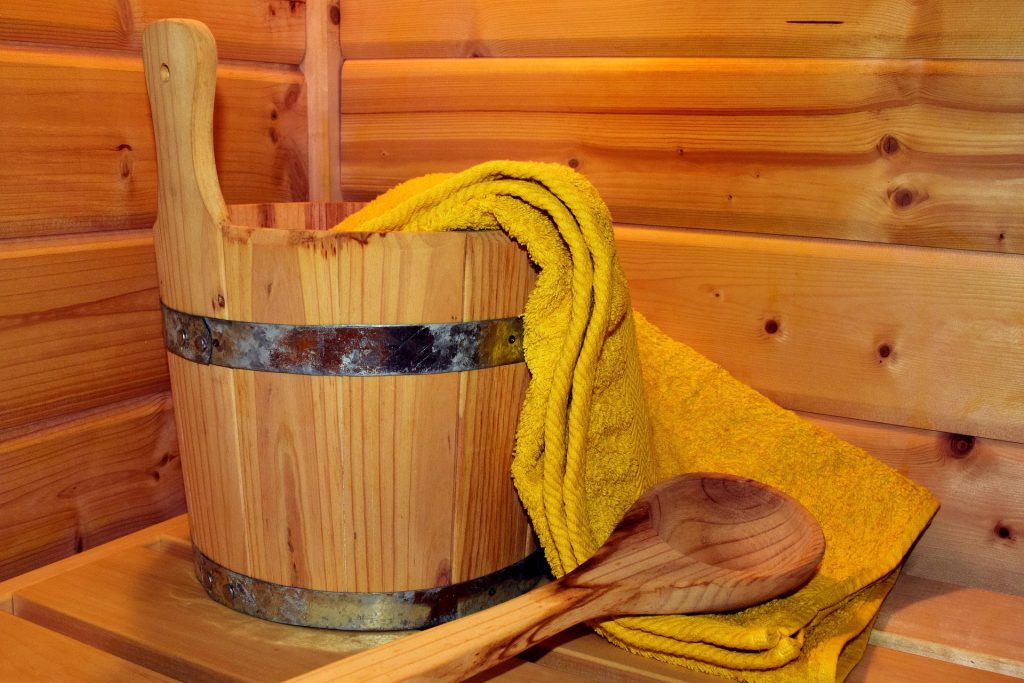
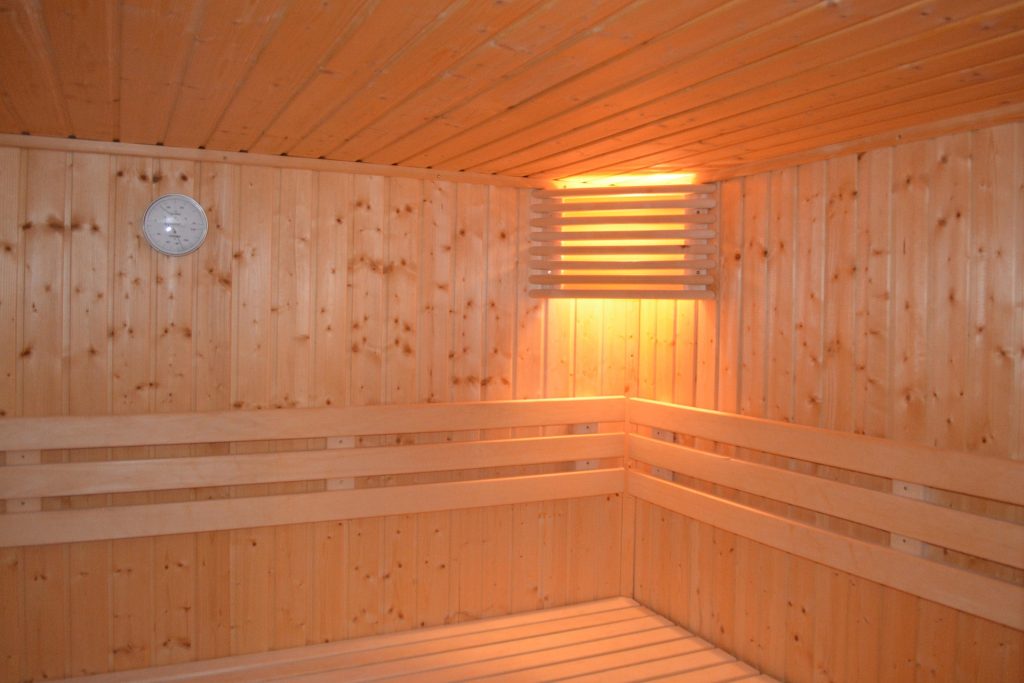
Walking straight into a scorching sauna is like jumping into freezing water – shocking and unnecessary. Start in the lower bench where temperatures are milder, usually around 150°F (65°C). Take slow, deep breaths and let your body gradually adapt.
This simple step primes your system for maximum benefits and turns an uncomfortable experience into pure bliss. Most first-timers skip this crucial step and miss out on the full therapeutic potential.
In traditional Finnish saunas, you’ll often see locals spending several minutes on the lower bench, engaging in gentle stretching or meditation before moving higher. This isn’t laziness – it’s wisdom passed down through generations.
Temperature Surfing Like a Pro
The sweet spot isn’t always at the top bench. Move between levels to find your perfect temperature zone – it should feel challenging but never uncomfortable.
Your body will tell you when it’s time to adjust. The pros actually spend more time in moderate heat than in extreme temperatures, allowing them to extend their sessions without stress.
Think of temperature surfing as interval training: periods of intense heat followed by moderate exposure help your body adapt and strengthen its stress response systems.
Start with 5-7 minutes at a moderate temperature, then gradually move higher for 2-3 minutes before returning to your comfort zone.
The Hidden Elements of Sauna Success
Forget bringing water into the sauna – it’s what you do before that counts. Drink 16-20 ounces of water 30 minutes before your session.
This gives your body time to absorb the fluids and maintain proper hydration throughout. Save the active drinking for your cool-down periods between rounds.
Many experienced sauna users follow a specific hydration protocol:
- 2 hours before: 16 ounces of water with a pinch of natural salt
- 30 minutes before: Another 16 ounces of plain water
- Between rounds: Small sips of room temperature water
- Post-session: 16-20 ounces of electrolyte-rich beverage
Timing is Everything: The Magic Windows
The biggest mistake? Hitting the sauna right after a meal or right before bed.
The optimal window is either early morning (30 minutes after waking) or late afternoon (4-6 PM) when your body temperature naturally peaks. These times align with your natural circadian rhythm, maximizing the stress-reducing and muscle-relaxing benefits.
Morning sessions tend to energize and prepare you for the day ahead, while afternoon sessions help transition from work mode to relaxation. If you’re using the sauna for muscle recovery, time your session 30-60 minutes after exercise for optimal results.
Advanced Techniques for Maximum Benefits
Don’t just step out and towel off. Take a lukewarm shower between rounds, gradually decreasing the temperature.
This contrast therapy triggers a cascade of healing responses in your body. Even better – if your facility has a cold plunge or snow yard (popular in Nordic countries), brave a 30-second dip. It’s intense but transformative.
The contrast between hot and cold:
- Improves circulation
- Reduces inflammation
- Boosts immune function
- Enhances mental clarity
- Accelerates muscle recovery
Recovery Room Rituals
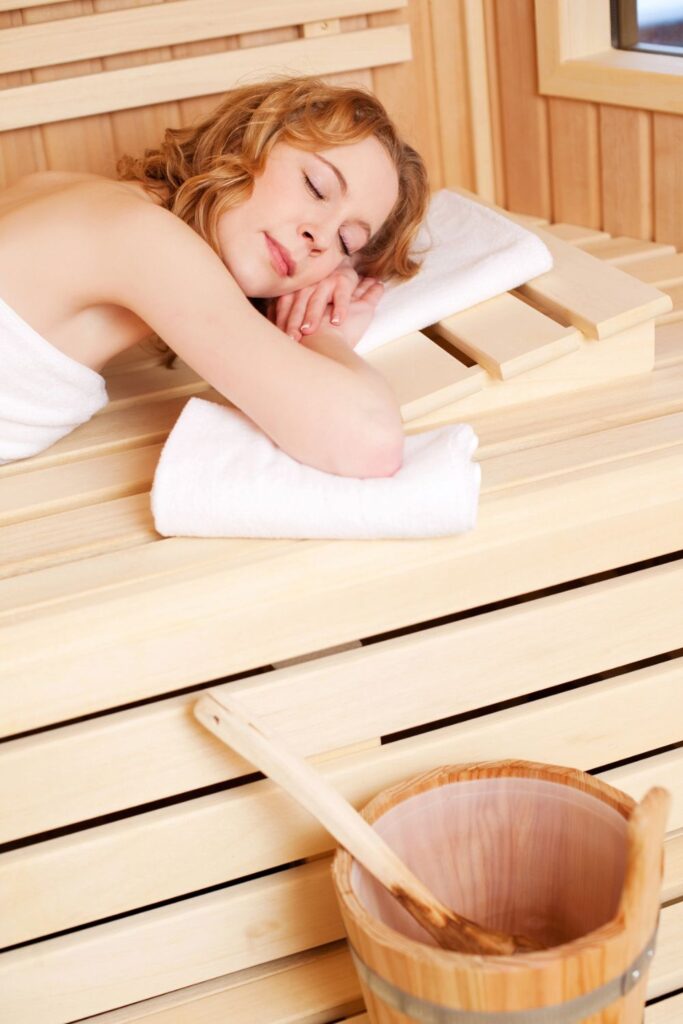
The 10 minutes after your session are just as crucial as the heat exposure itself. Find a quiet space to lie down and let your body temperature naturally regulate. This is when the magic happens – your muscles fully relax, stress hormones drop, and that famous “sauna glow” sets in.
Nordic spas often provide dedicated recovery rooms with zero-gravity chairs or heated stone beds. If these aren’t available, find a quiet corner with a comfortable chair. The key is to avoid immediate physical activity or exposure to cold air conditioning.
Essential Equipment and Preparation
Pack these essentials for an optimal experience:
- Two full-size towels (one for sitting, one for wiping)
- Flip-flops or sauna shoes
- Clean, loose clothing for after
- Natural fiber robe (optional)
- Water bottle for between sessions
- Small face towel
What to Avoid
Common mistakes that can diminish your experience:
- Wearing synthetic materials
- Keeping jewelry or watches on
- Using electronic devices inside
- Applying lotions or oils before entering
- Wearing contact lenses
- Eating heavy meals within 2 hours
Beyond Basic Heat: Advanced Practices
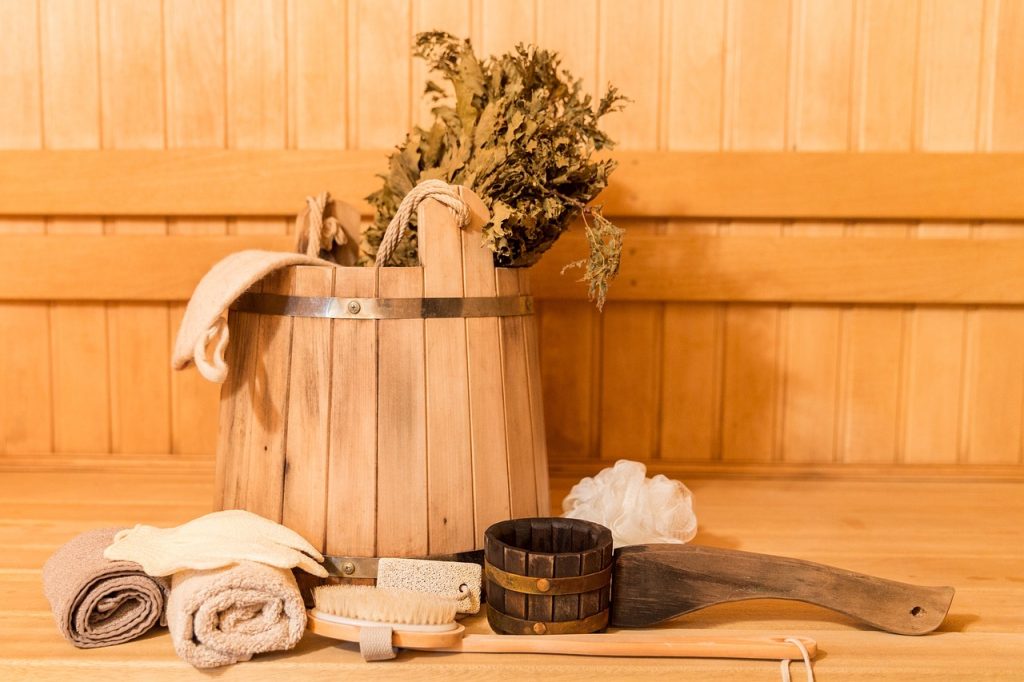
Once you’ve mastered the basics, experiment with aromatherapy. A few drops of eucalyptus oil on hot rocks can transform your session into a respiratory therapy treatment.
Lavender promotes deeper relaxation, while citrus oils energize. Just check with staff first – some facilities have specific policies about essential oils.
Popular sauna aromatherapy combinations:
- Eucalyptus + Peppermint: Respiratory health
- Lavender + Cedarwood: Deep relaxation
- Lemon + Rosemary: Mental clarity
- Pine + Sage: Immune support
Breathing Techniques
Proper breathing maximizes benefits and helps manage the intense heat:
- Start with deep nose breathing
- Progress to gentle mouth breathing as heat increases
- Practice “sauna breathing” – slow inhale through nose, slow exhale through mouth
- Avoid rapid or shallow breathing
Your Path to Sauna Mastery
Start with these guidelines, but remember – the best sauna routine is the one that feels right for your body. Begin with shorter sessions, gradually increase duration and temperature, and you’ll soon discover why this ancient practice is having such a modern renaissance in wellness travel.
Suggested progression for beginners: Week 1-2: 5-7 minute sessions, lower bench Week 3-4: 8-10 minute sessions, mix of lower and middle bench Week 5-6: 10-15 minute sessions, exploring all levels Week 7+: Multiple rounds with cool-down breaks
Signs of Progress
You’ll know you’re mastering the sauna when:
- Heat tolerance increases naturally
- Recovery between rounds becomes faster
- Sleep quality improves
- Stress resilience increases
- Skin develops a healthy glow
- Mental clarity enhances
- Muscle tension decreases
The Transformative Power of Heat
The journey from sauna novice to enthusiast is more than just learning to handle the heat – it’s about discovering an ancient practice that can transform your physical and mental well-being.
Whether you’re a frequent traveler looking to make the most of hotel facilities or a wellness enthusiast seeking deeper benefits, proper sauna techniques can elevate your experience from a simple sweat session to a therapeutic ritual.

Hi, I’m Kristin Hanes, and I’ve spent years traveling the globe to uncover the most serene hot springs, saunas, and wellness retreats. As a journalist and avid hot springs enthusiast, I’ve combined my passion for relaxation with my love of storytelling to create BlissfulSoaks.