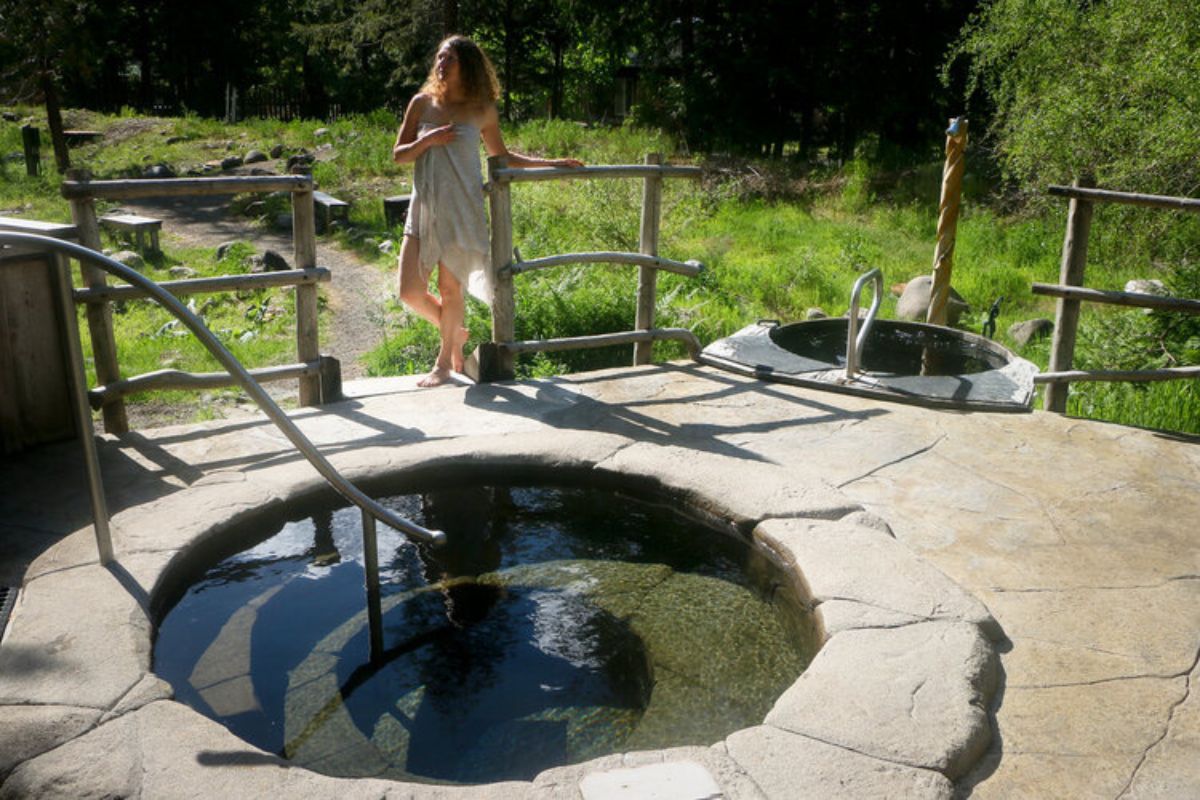
How to Find the Best Hot Springs Near You
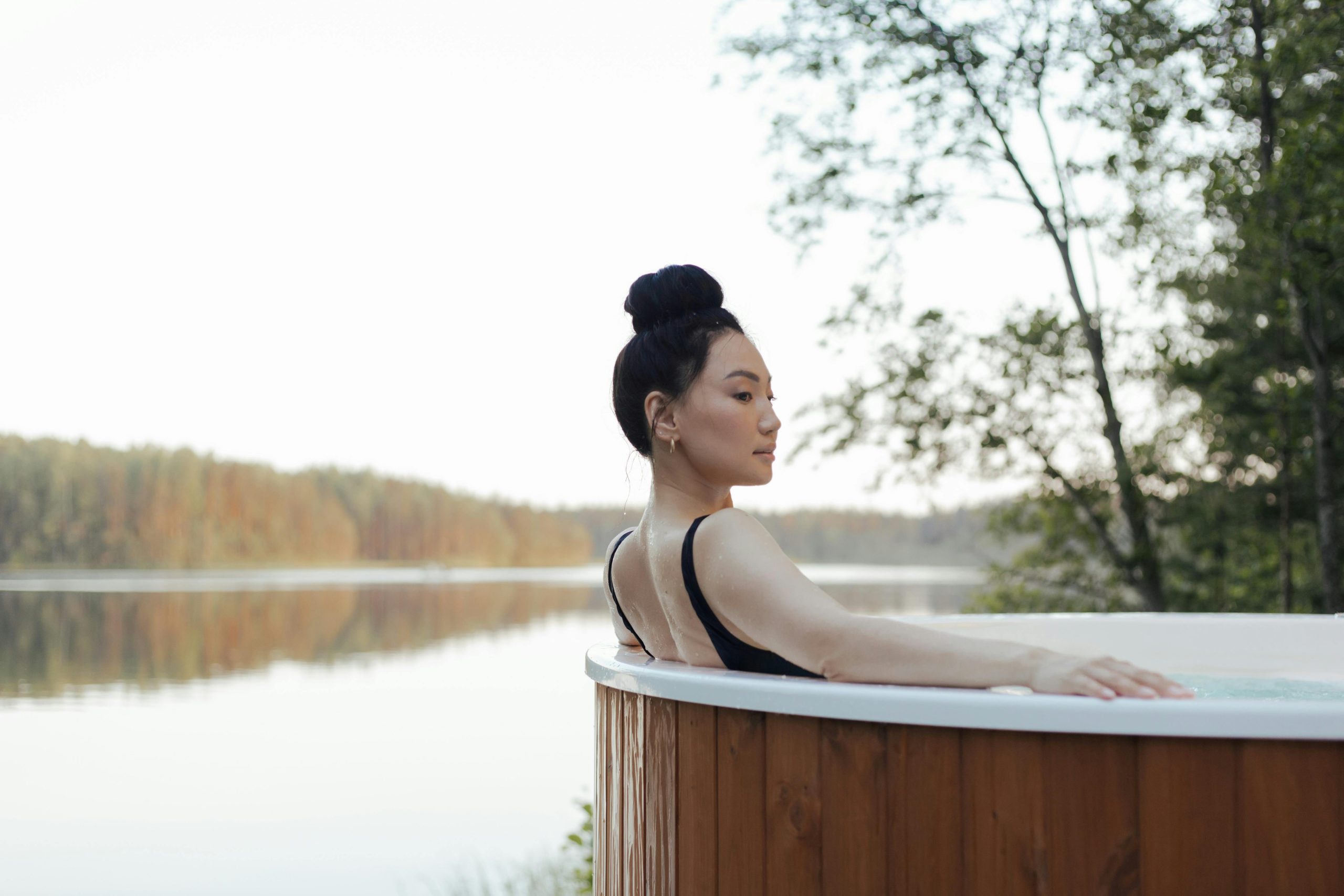
Table of Contents
If you love to explore like me and want to find the best hot springs near you, this post is for you.
Come with me as I show you how you can locate the best hot springs near you.
The Art of Hot Spring Discovery
Not all hot springs make it onto TripAdvisor’s top 10 lists, and that’s exactly what makes them special. The most memorable soaks often happen in places you won’t find in glossy travel magazines.
Professional hot spring hunters (yes, that’s a thing) start their search by diving deep into geological surveys and connecting with local outdoor communities.
The US Geological Survey’s thermal springs database is a goldmine of information that most travelers don’t even know exists, listing hundreds of springs that rarely make it onto tourist itineraries.
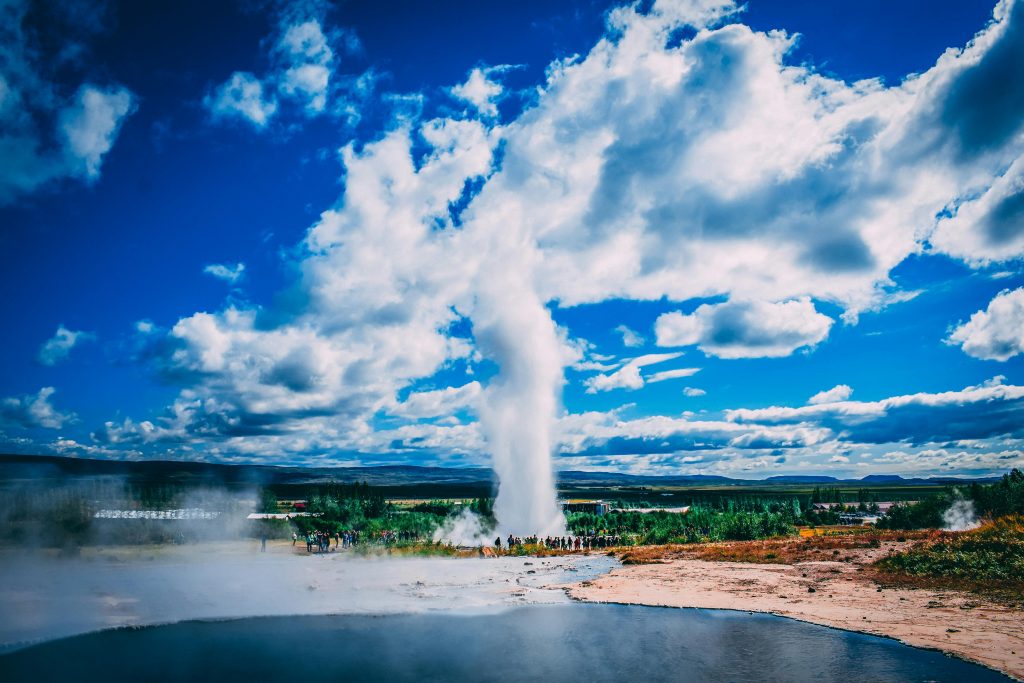
The Digital Detective’s Toolkit
While Instagram might seem like the obvious place to start your search, the real treasures are hidden in less obvious corners of the internet.
Local hiking forums, regional outdoor Facebook groups, and even rock-climbing communities often hold the keys to finding these natural spas.
These passionate outdoor enthusiasts typically know about dozens of springs that don’t show up in traditional travel guides.
Reading the Landscape
Understanding basic geology can transform your hot spring hunting game. Look for areas where fault lines intersect with mountain ranges – these geological features often create the perfect conditions for natural hot springs.
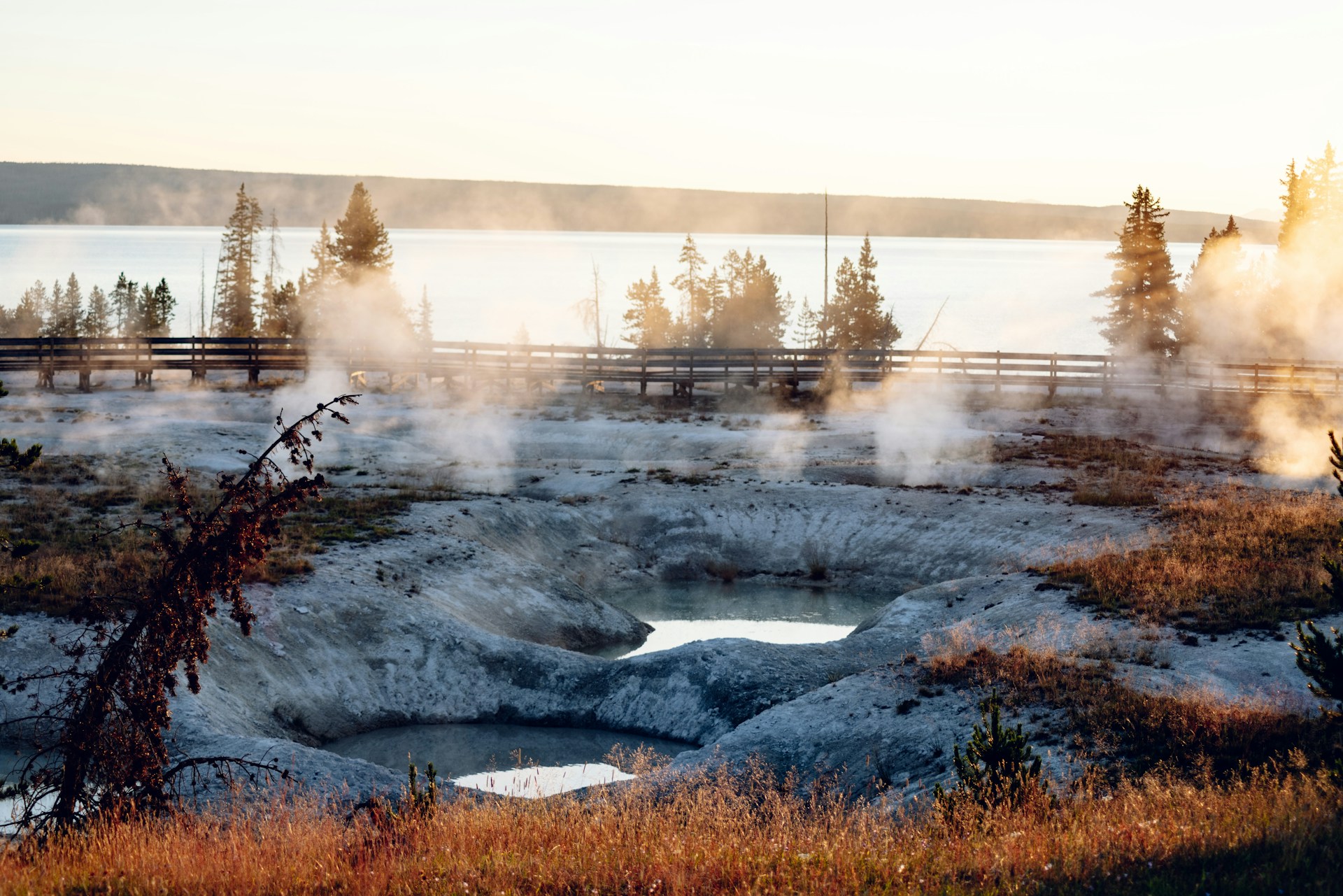
Signs like mineral deposits, steam rising in cold weather, or unusually lush vegetation in arid areas can all point to hidden thermal activity.
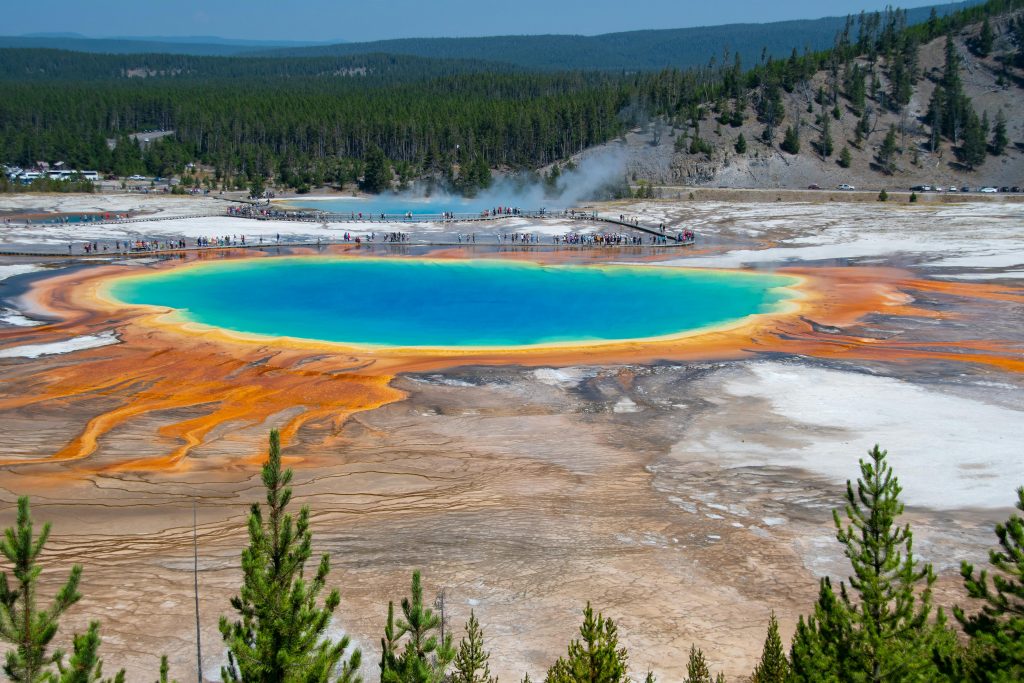
Planning Your Hot Spring Adventure
The perfect hot spring experience isn’t just about location – timing plays a crucial role. Early morning (just before sunrise) and late afternoon (approaching sunset) typically offer the most magical experiences. During these golden hours, you’re more likely to:
- Have the spring to yourself
- Witness spectacular lighting conditions for photos
- Enjoy optimal water temperatures
- Spot local wildlife
- Avoid the harshest sun exposure
Seasonal Considerations
Each season brings its own unique character to hot spring hunting. Here’s what to expect:
Winter (December-February):
- Most dramatic experience with steam rising against cold air
- Fewer crowds
- More challenging access
- Most rewarding soaking experience
- Need for extra safety precautions
Spring (March-May):
- Wildflowers blooming around springs
- Variable weather conditions
- Possibility of high water levels
- Perfect temperatures for longer soaks
- Best hiking conditions
Summer (June-August):
- Easiest access
- More crowded conditions
- Less comfortable ambient temperatures
- Extended daylight hours for exploration
- Higher chance of afternoon thunderstorms
Fall (September-November):
- Beautiful fall colors
- Moderate temperatures
- Fewer crowds than summer
- Stable weather patterns
- Perfect camping conditions
Essential Gear and Preparation
While hot spring hunting doesn’t require expensive gear, having the right equipment can transform your experience:
Essential Items:
- Reliable headlamp with fresh batteries
- Quick-dry towel (regular cotton towels get heavy and stay wet)
- Water shoes with good grip (protect your feet and prevent slips)
- Basic first aid kit
- Waterproof phone case
- Offline maps downloaded to your device
- Water bottle and snacks
- Small trash bag (pack out what you pack in)
- Waterproof bag for wet clothes
Optional but Recommended:
- Thermometer to test water temperature
- Camera (waterproof if possible)
- Small sitting pad or waterproof blanket
- Natural soap for springs where bathing is allowed
- Emergency satellite communicator for remote locations
Navigation Essentials
Getting lost while hunting for hot springs is more common than you might think. Here’s how to stay on track:
Primary Navigation:
- Download offline maps before leaving cell service
- Mark your parking spot with GPS
- Take screenshots of written directions
- Bring a physical map as backup
- Note major landmarks during your approach
Backup Systems:
- Carry a basic compass
- Save battery power on your devices
- Share your planned route with someone
- Know basic orienteering skills
- Have emergency contact numbers saved
Safety and Etiquette
Natural hot springs come with their own set of safety considerations that every soaker should understand:
Temperature Safety:
- Test water temperature before entering
- Limit soaking time based on temperature
- Stay hydrated while soaking
- Exit if feeling dizzy or uncomfortable
- Know the signs of heat exhaustion
Environmental Awareness:
- Check weather forecasts
- Be aware of flash flood risks
- Watch for wildlife
- Understand seasonal hazards
- Monitor changing conditions
The Unwritten Rules of Hot Springs
Every great hot spring has its own community of regulars who help keep it pristine. Following these unwritten rules ensures these special places stay beautiful for future visitors:
Respect the Space:
- Pack out everything you bring in
- Avoid glass containers near springs
- Keep noise levels appropriate
- Leave no trace of your visit
- Respect private property boundaries
Social Considerations:
- Read the social atmosphere
- Share the space respectfully
- Keep photography minimal if others are present
- Honor clothing-optional customs where applicable
- Be mindful of group size
Finding Local Knowledge
One of the most effective ways to find hidden hot springs is through local connections. Here’s how to do it right:
Building Local Connections:
- Visit local outdoor gear shops
- Stop at small-town coffee shops
- Chat with hiking guide services
- Connect with local outdoor groups
- Attend community events
Making Good Impressions:
- Support local businesses
- Show genuine interest in the area
- Share your own experiences
- Be respectful of local customs
- Follow through on local advice
Digital Community Building
Building connections before your trip can lead to invaluable information:
Online Resources:
- Join regional hiking groups
- Participate in outdoor forums
- Follow local photographers
- Connect with nature guides
- Subscribe to local outdoor newsletters
Creating Relationships:
- Share your own discoveries
- Contribute helpful information
- Ask thoughtful questions
- Respect private spots
- Build long-term connections
Advanced Hot Spring Hunting
Understanding basic geological indicators can help you identify potential hot spring locations:
Key Features to Look For:
- Fault line intersections
- Volcanic activity history
- Mineral deposits
- Water source convergence
- Temperature anomalies
Research Tools:
- Geological survey maps
- Satellite imagery
- Historical mining records
- Local geology guides
- Scientific papers
Seasonal Strategies
Different seasons require different approaches to hot spring hunting:
Winter Strategy:
- Look for steam signatures
- Check road access conditions
- Monitor weather patterns
- Plan shorter daylight hours
- Prepare for extreme conditions
Summer Approach:
- Start early to avoid crowds
- Look for shaded springs
- Monitor water levels
- Check fire conditions
- Plan for longer days
Your Next Adventure Awaits
Finding your perfect hot spring is a journey that combines research, adventure, and often a bit of luck. The best experiences usually come from unexpected discoveries and local tips that you won’t find in any guide.
Remember that every spring has its own character, and part of the joy is in discovering these unique qualities for yourself.
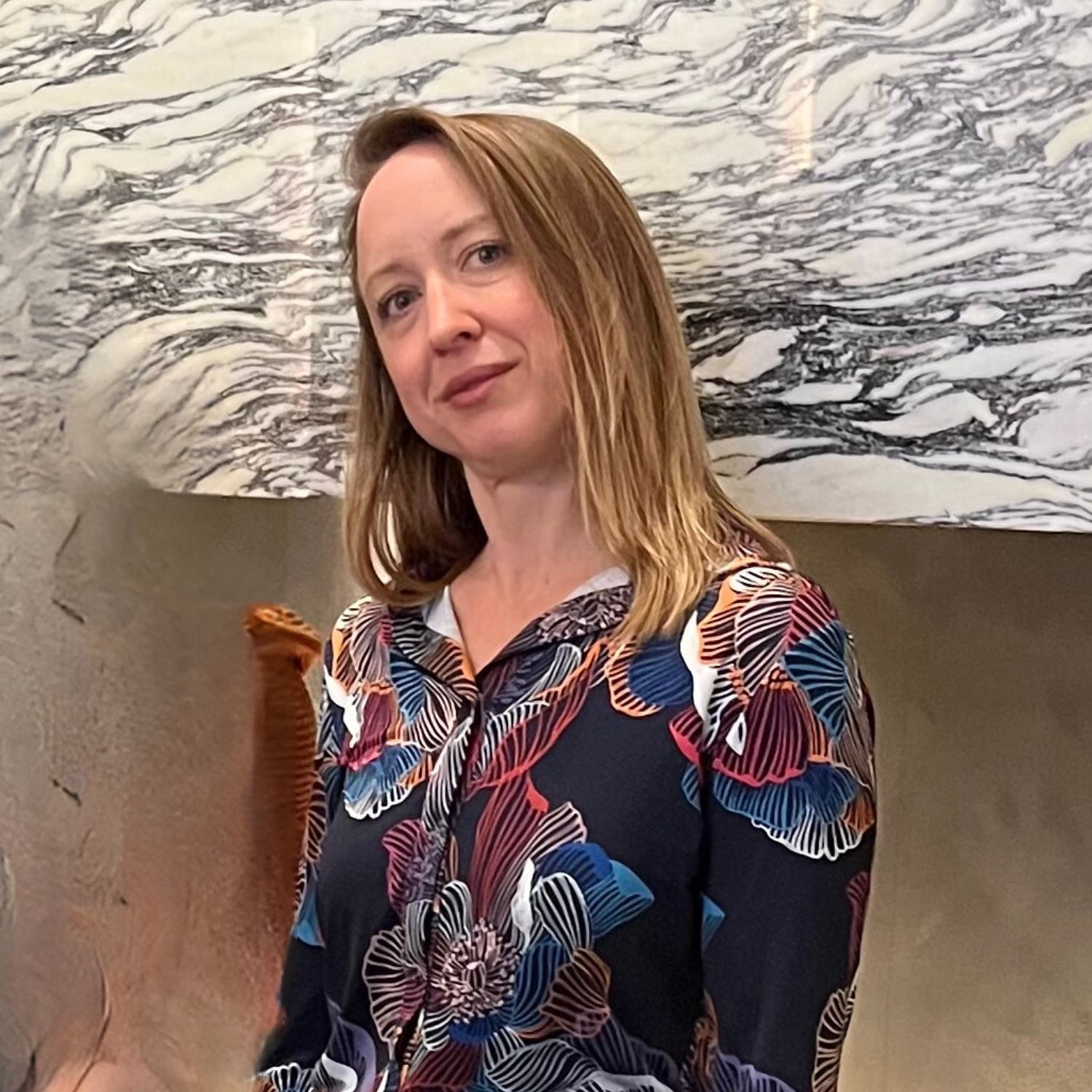
Hi, I’m Kristin Hanes, and I’ve spent years traveling the globe to uncover the most serene hot springs, saunas, and wellness retreats. As a journalist and avid hot springs enthusiast, I’ve combined my passion for relaxation with my love of storytelling to create BlissfulSoaks.