This Common Sauna Mistake Could Be Hurting Your Health: The Hidden Truth About Temperature Hopping
Table of Contents
Do you know that a common sauna mistake could be hurting you without your knowledge? Here’s the mistake and how to avoid it.
The Rise of Extreme Wellness Culture
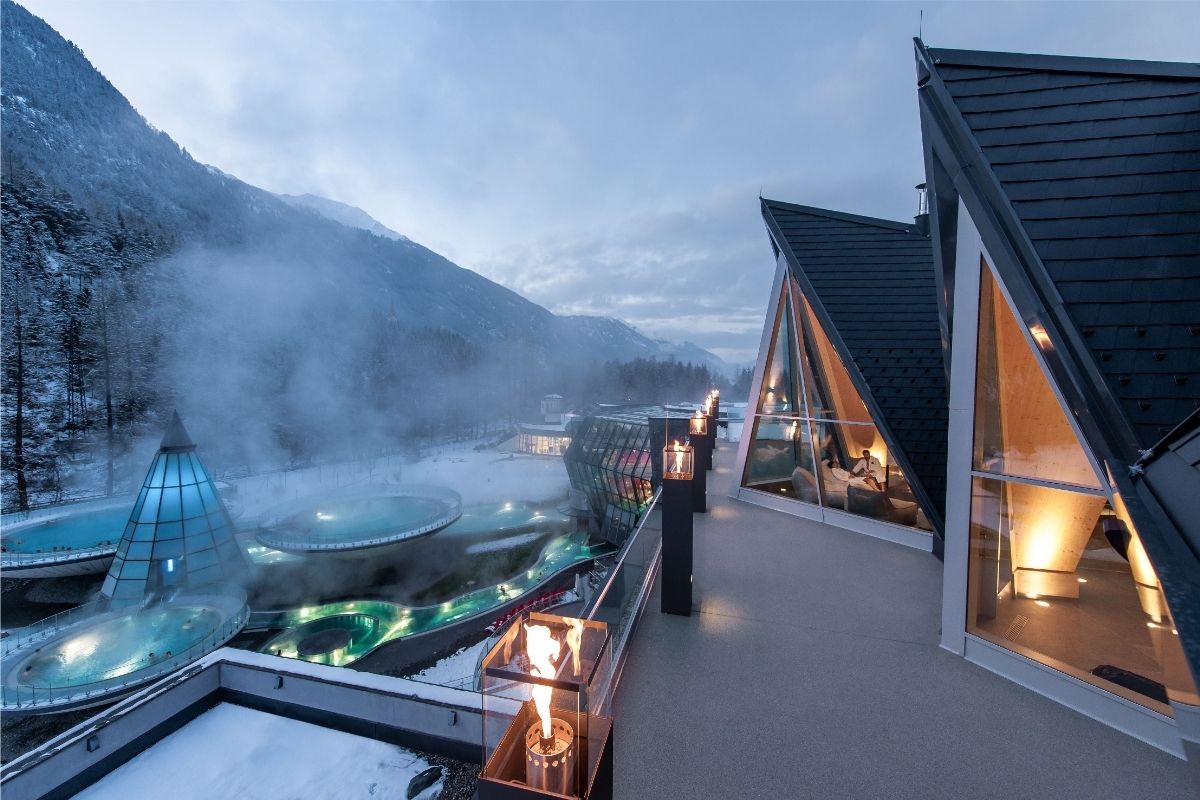
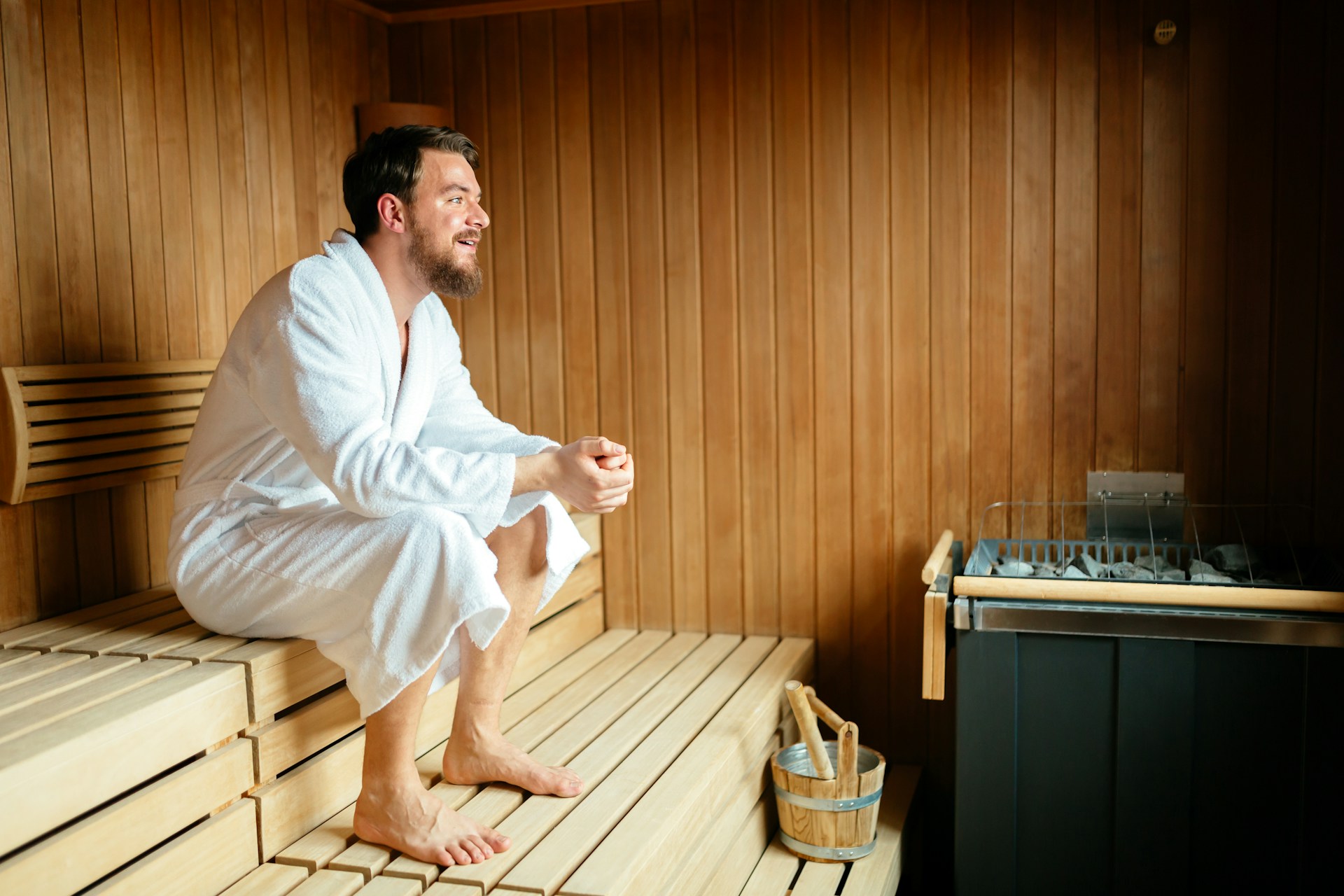
Picture this: You’re at a luxurious Nordic spa, feeling like a wellness pro as you alternate between the steamy sauna and that invigorating cold pool. It’s what everyone does, right?
The practice has become so normalized that it’s practically a prerequisite for any “authentic” spa experience.
However, according to leading wellness experts, this popular practice might be sabotaging your sauna session’s health benefits in ways that could surprise even the most seasoned spa-goers.
The art of sauna bathing isn’t just about enduring extreme temperatures – it’s about understanding how your body responds to heat exposure.
While Finnish tradition has long embraced the hot-cold contrast, modern research suggests that immediately jumping from extreme heat to cold can trigger an unnecessary stress response in your body, potentially negating the very benefits you’re seeking.
What the Experts Are Saying
“The biggest mistake I see at luxury spas worldwide is guests rushing between temperature extremes,” says Maria Jarlsson, a Stockholm-based sauna specialist with over two decades of experience. “They treat it like a thrill ride rather than the therapeutic experience it’s meant to be. This Instagram-driven approach to wellness is counterproductive.”
Dr. Henrik Larsson, a leading researcher in thermal therapy at the Stockholm Institute of Stress Medicine, agrees. “We’re seeing a concerning trend where social media influence is overtaking traditional wisdom. The immediate hot-to-cold plunge might make for a great story, but it’s not optimal for your health.”
The Science Behind the Sweat
When you sit in a sauna, your body initiates a complex series of responses that go far beyond simple sweating.
Your blood vessels dilate, your heart rate increases, and your body releases a cascade of beneficial compounds. This process, known as thermogenic conditioning, requires time to fully develop its therapeutic effects.

Understanding Your Body’s Response
During a proper sauna session, several key processes occur:
- Vasodilation: Blood vessels expand, improving circulation throughout your body
- Heat Shock Protein Production: Your cells create protective proteins that help repair damage
- Metabolic Acceleration: Your body increases its calorie-burning rate
- Endocrine Response: Various beneficial hormones are released
- Detoxification: Your body eliminates toxins through increased sweating
Shocking your system with immediate cold exposure can abruptly halt these processes, cutting short the therapeutic window where the magic happens.
What the Pros Do Differently
Seasoned sauna enthusiasts and professional athletes follow a more measured approach. Instead of the dramatic hot-cold plunge, they incorporate a crucial cooling-down period. This ‘transition phase’ typically lasts 8-10 minutes at room temperature, allowing the body to naturally adjust while maintaining the beneficial effects of the heat exposure.
The Professional Protocol
Olympic athletes and professional sports teams who use sauna therapy as part of their training regimen follow a specific protocol:
- Gradual Heat Acclimatization (5 minutes)
- Full Heat Exposure (15-20 minutes)
- Controlled Cooling Period (8-10 minutes)
- Light Movement or Stretching (5 minutes)
- Final Rest Phase (15 minutes)
Hidden Benefits You’re Missing
By skipping the immediate cold plunge and following a more measured approach, you’ll experience a range of benefits that might surprise you:
Metabolic Enhancement
The gradual cooling period allows your body to maintain its elevated metabolic rate longer, potentially burning more calories and improving your body’s overall efficiency.
Cardiovascular Optimization
Your heart and blood vessels benefit from the gentle transition, leading to better long-term cardiovascular health improvements.

Hormonal Balance
The controlled cooling phase helps maintain optimal levels of beneficial hormones like growth hormone and norepinephrine.
Mental Clarity
Many users report improved focus and mental clarity that lasts throughout the day when following the gradual cooling protocol.
The Perfect Sauna Sequence
The optimal approach involves four key phases, each designed to maximize specific benefits:
Phase 1: Initial Warm-up (10-15 minutes)
During this phase, focus on:
- Gradual acclimatization to the heat
- Deep, steady breathing
- Maintaining good posture
- Staying hydrated with small sips of water
Phase 2: Gentle Cooling Period (8-10 minutes)
This crucial phase includes:
- Moving to room temperature
- Light stretching or gentle movement
- Mindful breathing
- Avoiding sudden temperature changes
Phase 3: Optional Mild Temperature Contrast
If desired, you can incorporate:
- A warm (not hot) shower
- Gentle swimming in a moderately cooled pool
- Light movement in a temperature-controlled environment
Phase 4: Final Rest Period (15 minutes)
This recovery phase focuses on:
- Complete relaxation
- Mindful breathing
- Gentle hydration
- Body temperature normalization
Common Myths About Sauna Culture
The Instagram-worthy ice plunge has become so popular that many travelers believe it’s an essential part of the experience. However, traditional Finnish sauna culture emphasizes gradual temperature changes and listening to your body’s signals.
Debunking Popular Misconceptions
- “More extreme equals better results”
- Reality: Moderate, consistent practice yields better long-term benefits
- “Cold plunge is essential for benefits”
- Truth: Many benefits come from the heat exposure alone
- “Longer sessions are more effective”
- Fact: Quality and proper technique matter more than duration
- “You should push through discomfort”
- Reality: Listening to your body is crucial for safety and benefits
Luxury Spa Secrets
High-end spas are starting to redesign their facilities with dedicated transition spaces – comfortable rooms maintained at optimal temperatures where guests can cool down gradually.
“These spaces are where the real transformation happens,” explains wellness architect Johan Bergman. “It’s not as photogenic as an ice plunge, but it’s where your body really reaps the benefits.”
The Evolution of Spa Design
Modern wellness facilities are incorporating:
- Dedicated cooling rooms
- Meditation spaces
- Recovery zones
- Gradual temperature transition areas
The Cold Therapy Question
If you’re interested in cold exposure benefits, experts recommend treating it as a separate practice rather than combining it with your sauna session. This way, you can maximize the benefits of both heat and cold therapy without them competing against each other.
Optimal Cold Therapy Timing
For those interested in both practices:
- Separate sauna and cold therapy by at least 2-3 hours
- Start with one practice and master it before adding another
- Listen to your body’s responses
- Consider your fitness and health goals
Making the Most of Your Sauna Experience
Next time you’re at a spa, resist the urge to follow the crowd to the cold plunge. Instead, find a quiet spot at room temperature, close your eyes, and let your body gradually cool down. You might not get that Instagram-worthy shot, but your body will thank you with deeper, longer-lasting benefits.
Practical Tips for Maximum Benefits
- Timing Your Sessions:
- Best times are early morning or early evening
- Avoid late-night sessions that might disrupt sleep
- Allow adequate recovery between sessions
- Preparation:
- Stay well hydrated throughout the day
- Avoid heavy meals 2 hours before
- Bring appropriate clothing for the cooling period
- During the Session:
- Focus on steady breathing
- Practice mindfulness
- Pay attention to your body’s signals
- After Care:
- Maintain hydration
- Eat light, nutritious foods
- Get adequate rest
Special Considerations
For Athletes
Athletes should coordinate sauna sessions with their training schedule:
- Avoid sauna use immediately before intense workouts
- Use sauna therapy on recovery days
- Adjust duration based on training intensity
For Beginners
New to sauna bathing? Start slowly:
- Begin with shorter sessions (5-10 minutes)
- Focus on proper cooling techniques
- Gradually increase duration over time
- Always listen to your body
For Regular Users
Experienced sauna users should:
- Maintain consistency in practice
- Pay attention to seasonal adjustments
- Consider combining with other wellness practices
- Monitor long-term benefits
The Real Power of Patience
Remember: the most profound wellness benefits often come not from extreme experiences, but from giving your body the time and space it needs to adapt and heal naturally. Your sauna session isn’t a race – it’s an opportunity to tune into your body’s natural rhythms and support its innate healing capabilities.

Hi, I’m Kristin Hanes, and I’ve spent years traveling the globe to uncover the most serene hot springs, saunas, and wellness retreats. As a journalist and avid hot springs enthusiast, I’ve combined my passion for relaxation with my love of storytelling to create BlissfulSoaks.